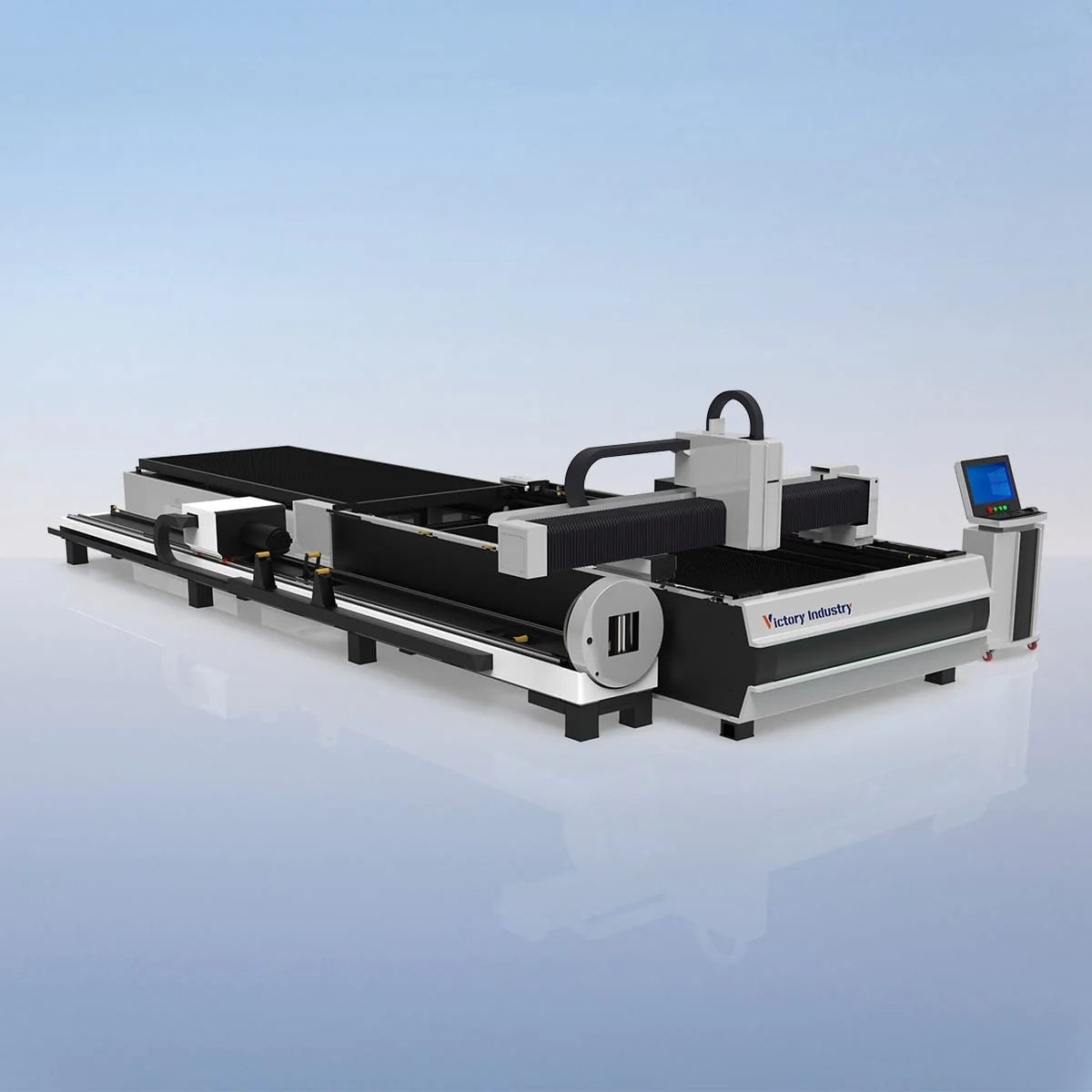
VIE-T Laser Cutting Machine
Tube And Sheet Laser Cutting Machine
- Cutting Area
- 3000*1500mm / 4000*1500mm / 4000*2000mm / 6000*1500mm / 6000*2500mm
- Laser Power
- 1500-20000W

Explore this tube and sheet laser cutting machine configuration comparison guide. Compare model specifications and configuration options, then prepare the requirements for your equipment enquiry.
Tube And Sheet Laser Cutting Machine
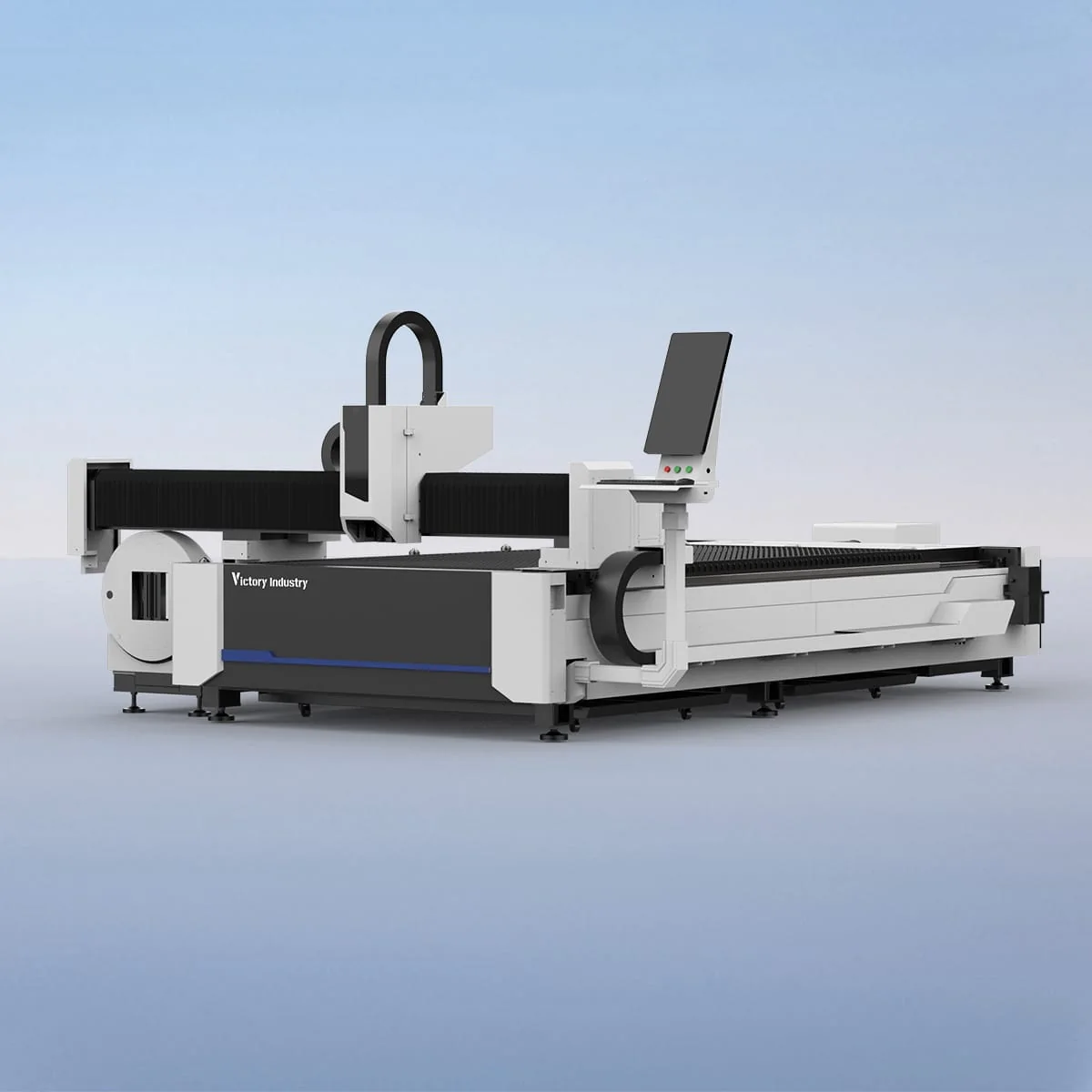
Tube And Sheet Laser Cutting Machine
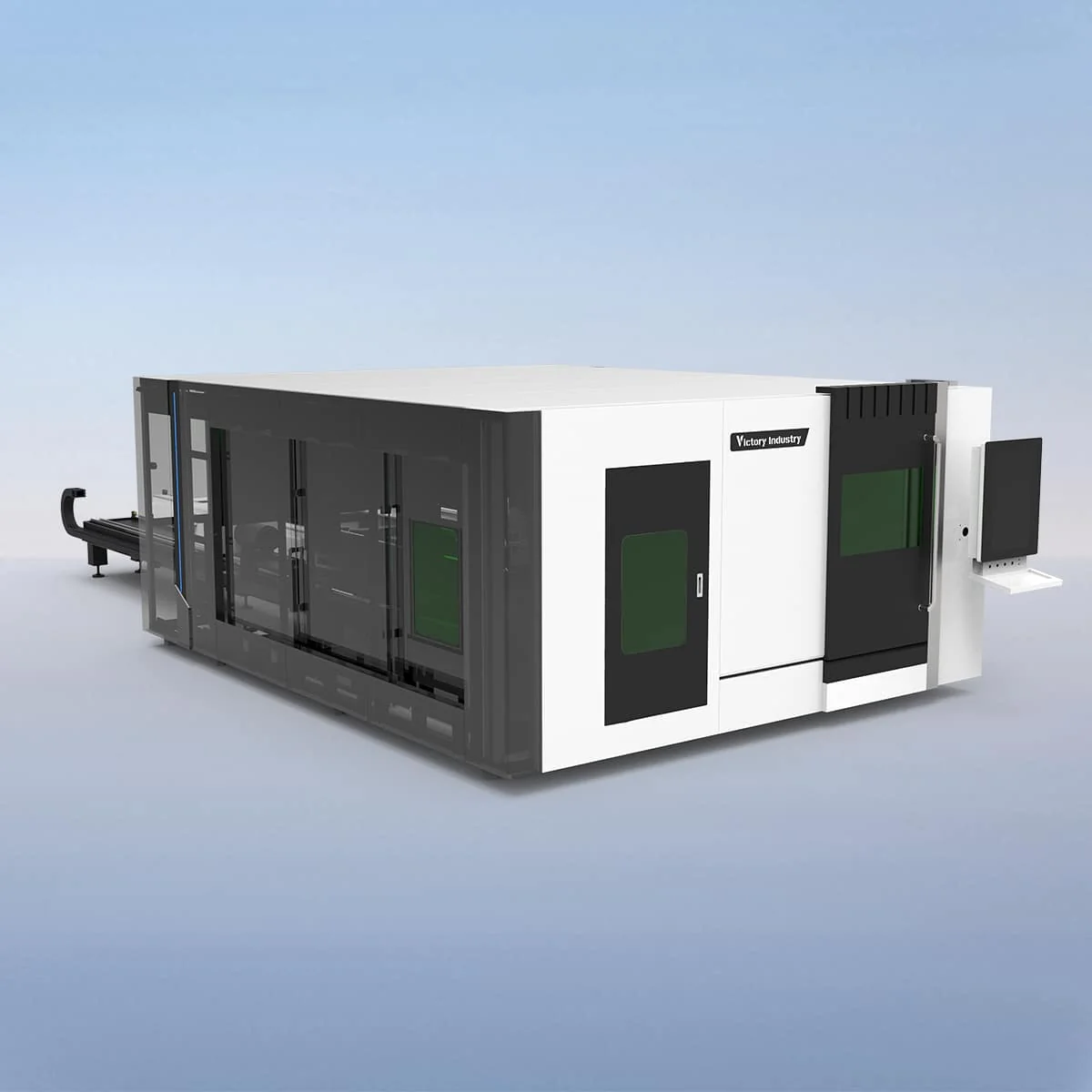
Tube And Sheet Laser Cutting Machine
A tube and sheet laser cutting machine configuration comparison on this site begins with VIE-T, VIF-T and VIP-T. These are the three combined-category series in the Tube Systems catalog. Keep the series identity with every model and parameter you collect. The T suffix is part of the name; it does not supply a missing tube dimension, handling method or accessory specification.
VIF-T lists six models, while VIE-T and VIP-T list five each. Use the relevant series page to select a named model, then describe both the sheet and tube work you want considered. A mixed-production enquiry needs those two workpiece briefs even when it is intended to result in one equipment purchase.
Open VIE-T →Open VIF-T →Open VIP-T →For the sheet portion of a sheet and tube laser cutting machine enquiry, retain the model-specific Cutting Area values. VIF3015T lists 3000×1500mm and VIF6025T lists 6000×2500mm. VIE3015T and VIP3015T also have their own 3000×1500mm entries. These examples identify table values for named models; they are not a rule for decoding every model suffix.
State your actual sheet dimensions and material specification beside those entries, then attach the drawings to be assessed. If more than one sheet size is involved, identify the jobs that matter most to the purchase. Do not use the same area field as a tube diameter, tube length or complete installation footprint. Each of those questions needs a configuration-specific answer.
VIF-T lists 1500–3000W, while VIE-T and VIP-T list 1500–20000W. VIF-T lists Raytools and WSX head options; VIE-T and VIP-T include Raytools, WSX, BOCI and Osprey. Ask the offer to identify the selected power and head for the model being proposed. An alternatives list is not an equipment package containing every named component.
Control options differ as well: VIF-T lists CypCut, Golden Orange and Weihong, while VIE-T and VIP-T list CypCut and Weihong. Keep those options with their own series. If a particular controller is important to your operation, state the preference and request the exact proposed configuration. The catalog names alone do not establish the software setup or operating workflow required by your parts.
For fiber laser tube cutting within a combined-machine enquiry, provide the section shape, dimensions, wall thickness and workpiece length. Add the material specification and the features to be cut. These tables do not give a tube limit through the sheet Cutting Area entry, so ask for the relevant configuration-specific limits rather than borrowing a value from a VIT series.
Explain the intended loading and support arrangement, including any existing equipment you would like considered. If a job uses more than one section, identify the differences and attach representative drawings. Treat feeder requirements, workpiece support and the movement between sheet and tube tasks as explicit discussion points. None should become an assumed standard feature simply because the machine is listed in a combined category.
Some table fields describe machine movement rather than a cutting result. VIF-T lists a maximum linkage speed of 70m/min, while VIP-T lists 140m/min. Keep the original label with those values. They are not stated cutting speeds for your material, and they should not be used to calculate an assumed production output from a drawing without an application-specific basis.
The same discipline applies when comparing power ranges or repeated component names. A common value may help organize the shortlist, but it does not establish identical machine arrangements or processing results. Write down the selected configuration, then ask how it will be assessed against the sheet and tube requirements you supplied. Keep published parameters and required outcomes as separate parts of the record.
Assemble the chosen model names, requested components and two drawing packages into one enquiry. Explain the intended work mix and identify any installation or handling constraints. Ask the proposal to separate the base equipment, selected options, additional items and responsibilities assigned to your team. If a required tube specification is still missing, keep it open rather than inserting a value from another family.
Victory Industry is based in Jinan, China. Include your installation destination and ask for the proposed support scope to be stated with the equipment configuration. Use the application guide to organize the outstanding details and send the complete brief through the contact page. Retain drawing revisions so a change to either the sheet or tube job remains visible when the offer is reviewed.
Prepare sheet and tube requirements →Discuss a combined configuration →The combined directory contains VIE-T, VIF-T and VIP-T. VIF-T lists six models; VIE-T and VIP-T list five each. Keep each parameter tied to its complete model name.
No such tube limit should be derived from the sheet-area entries used here. Supply your tube requirements and request the corresponding specification for the selected configuration.
VIF-T lists 1500–3000W, while VIE-T and VIP-T list 1500–20000W. Ask which power and component combination is proposed for your application.
Do not substitute one for the other. Preserve the original linkage-speed label and request an application-specific basis for any expected cutting or production result.
Include a sheet drawing and a tube drawing, their materials and dimensions, the shortlisted models and requested options. Identify handling, support and installation requirements separately.
Share your material, dimensions and process. Start a conversation about the right configuration.