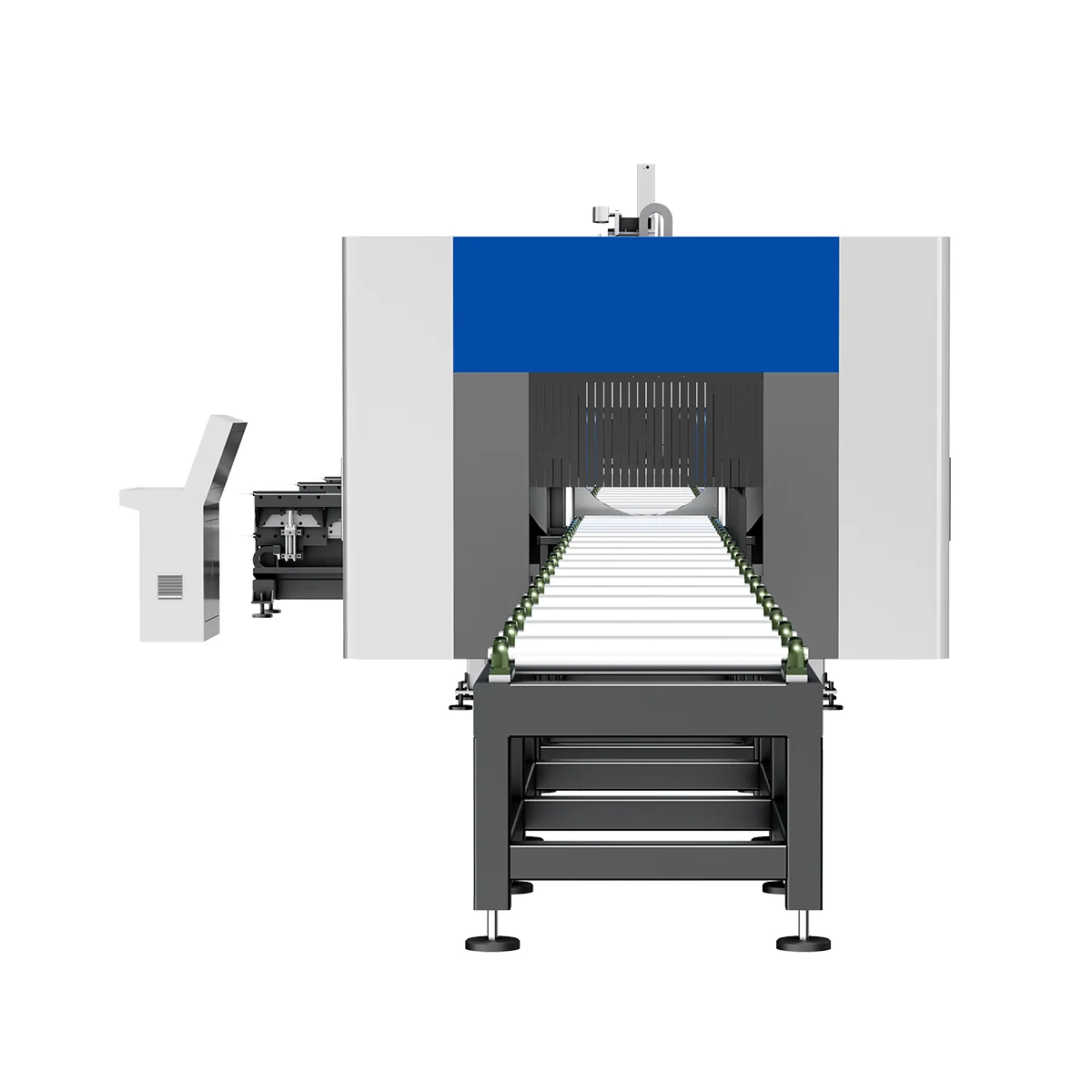
V100 Structural Steel Profile Laser Cutting Machine
Tube Laser Cutting Machine
- Tube Processing Range
- Round tubes: dia. 150-1000 mm; Square tubes: 150 x 150-850 x 850 mm; I-beams and H-beams channel steel: 10#-85#
- Loading Length
- 12000 mm

Compare the listed configurations and open a model for its technical details.
Tube Laser Cutting Machine
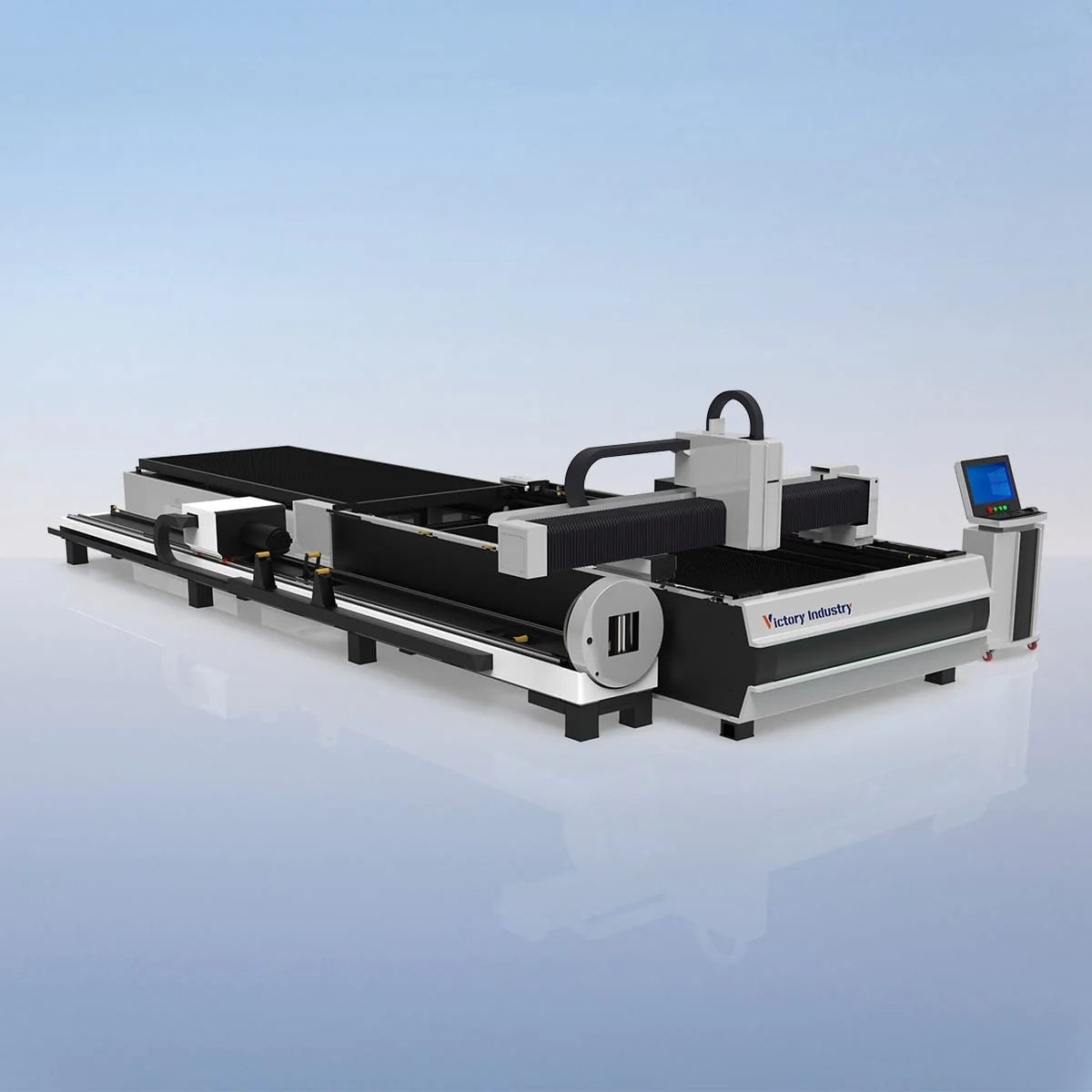
Tube And Sheet Laser Cutting Machine
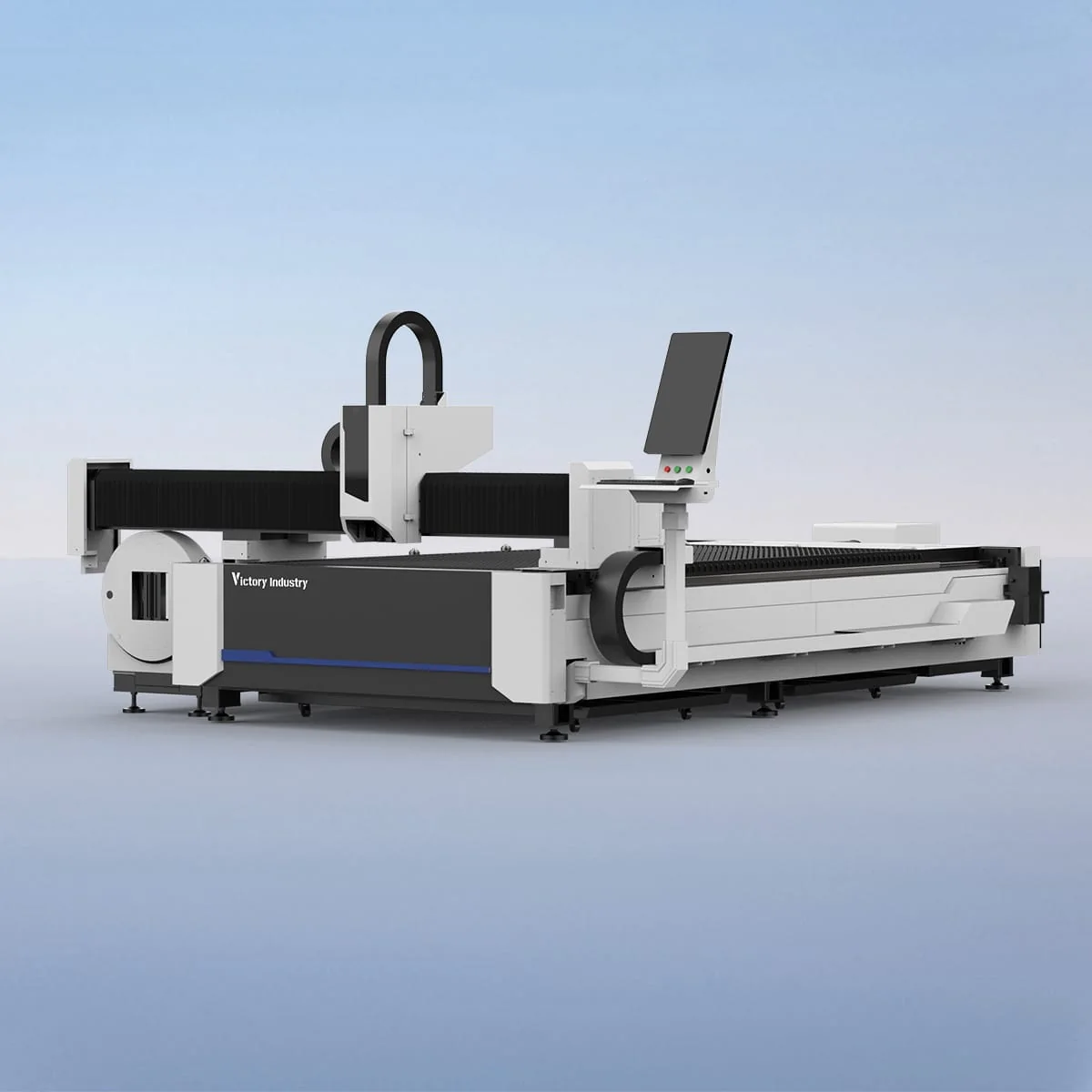
Tube And Sheet Laser Cutting Machine
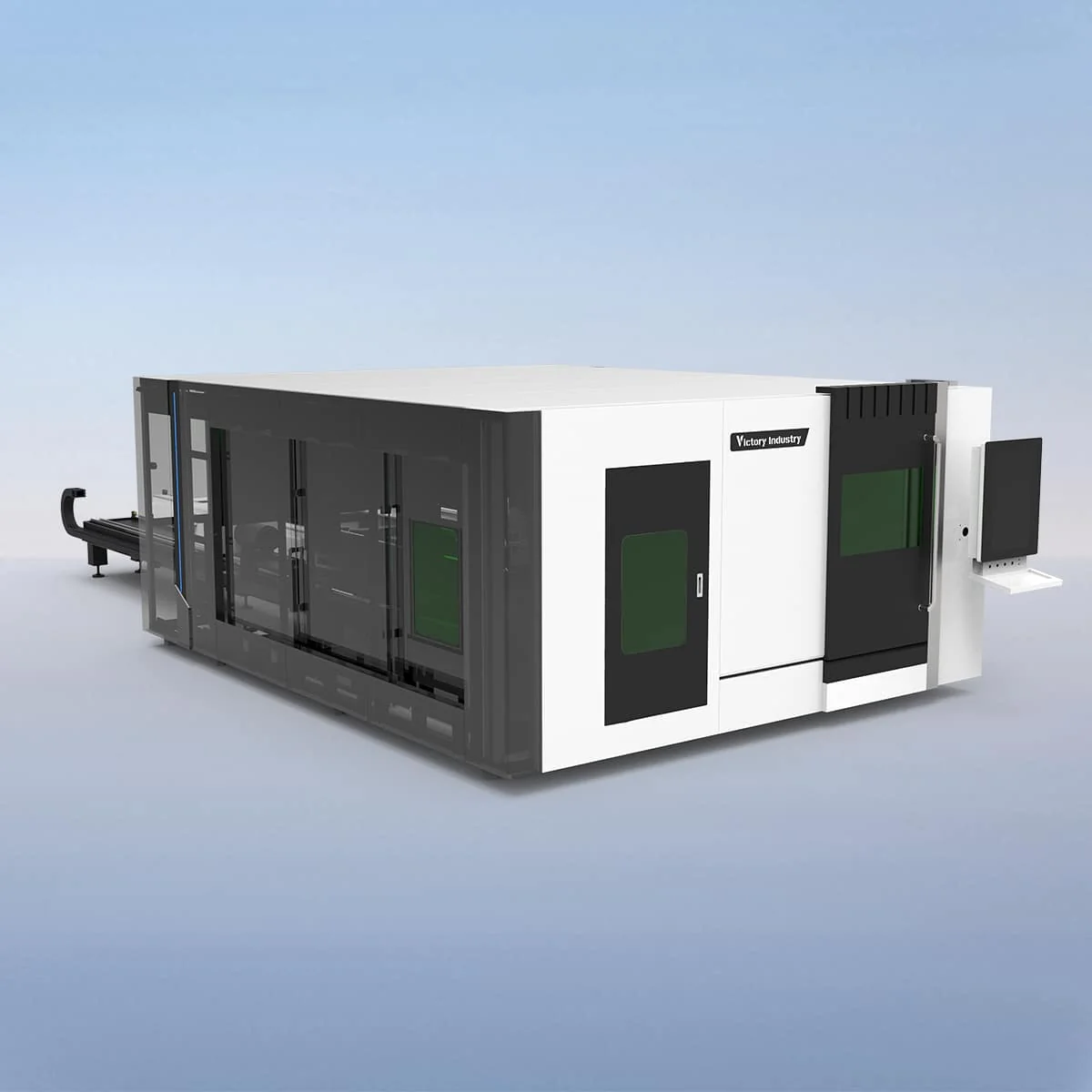
Tube And Sheet Laser Cutting Machine
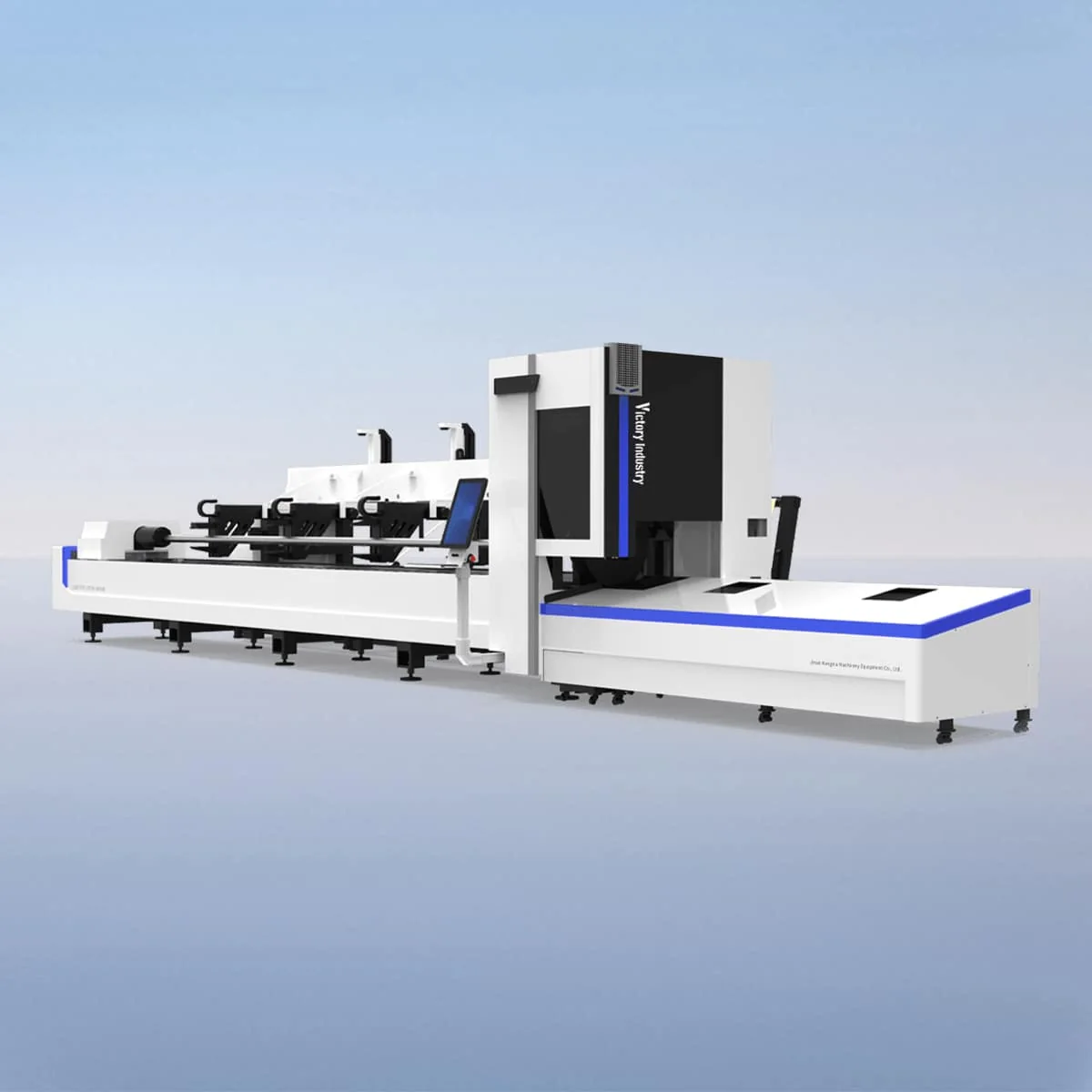
Tube Laser Cutting Machine
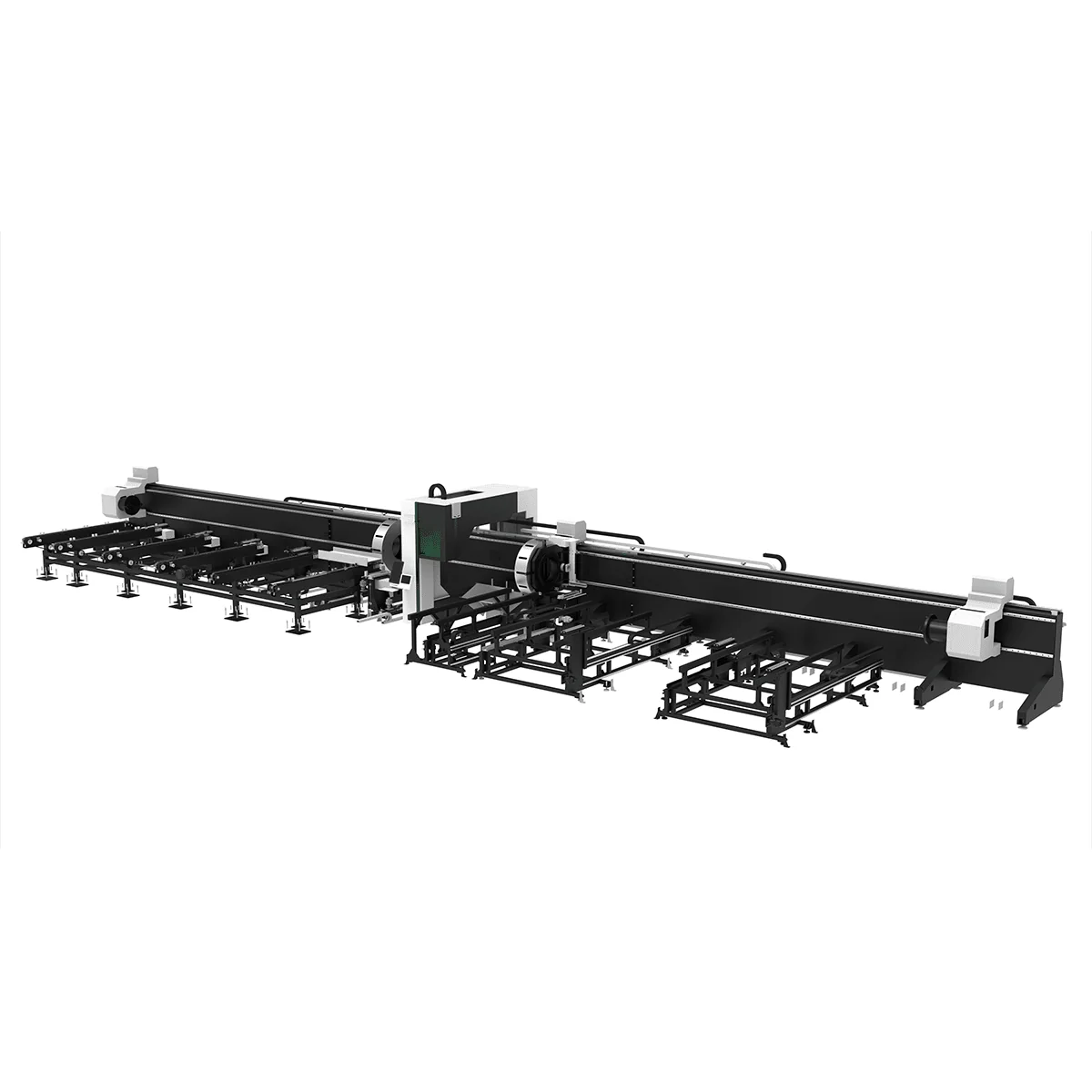
Tube Laser Cutting Machine
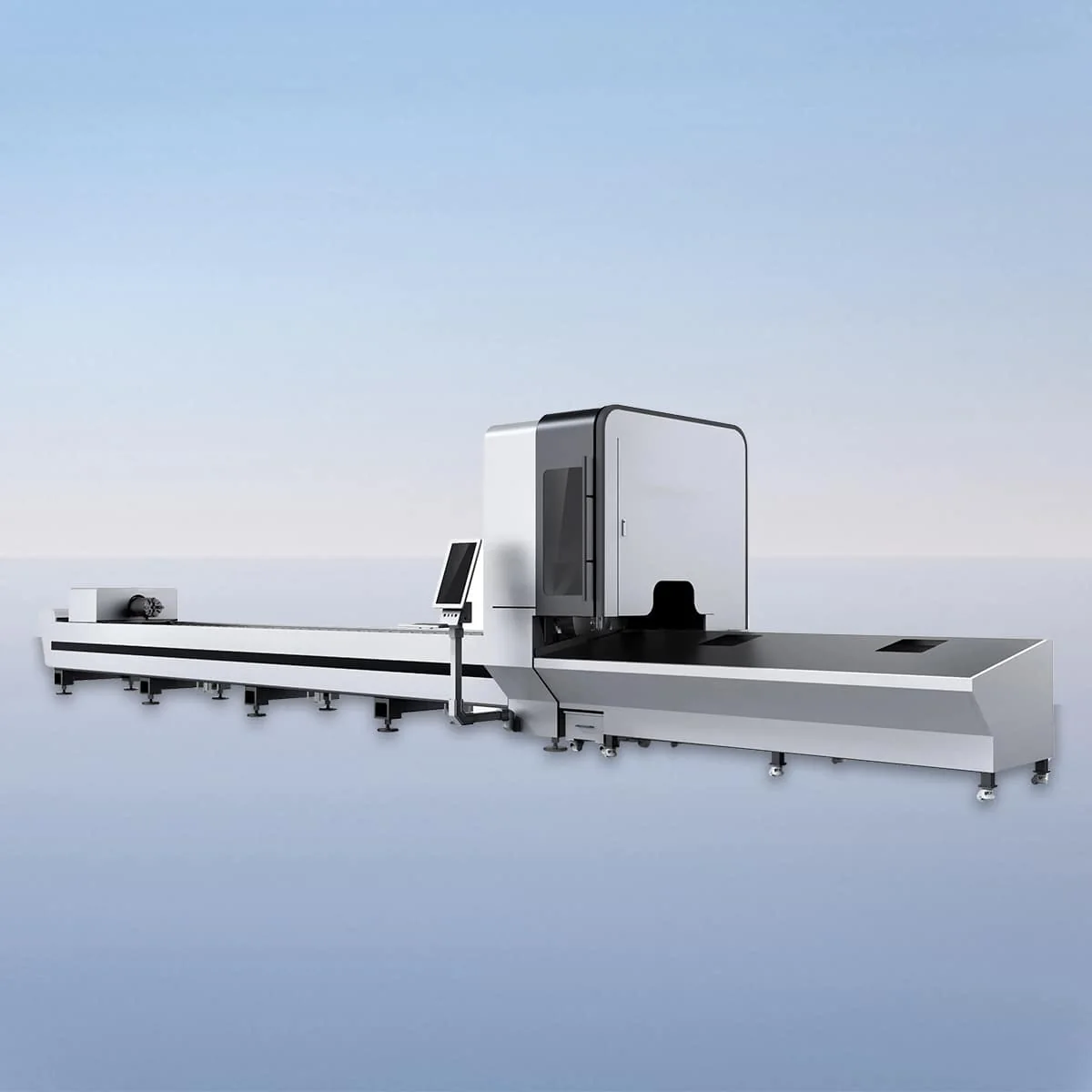
Tube Laser Cutting Machine
This catalog focuses on tube cutting, combined tube-and-sheet work and structural profiles. Use the shape and dimensions of your incoming material to choose where to begin. Record wall thickness, material grade, stock length and the finished parts you need before comparing the different series. Keep distinct sections as separate entries in your brief.
Prepare tube cutting requirements →VIT, VIT-A and VIT-F belong to the tube laser cutting category. Open each series to see its named models and listed data. Compare those entries against the same requirements sheet, then ask which configuration applies to your workpiece. The series name is a route into the specification, not a substitute for the model details.
VIT series →VIT-A series →VIT-F series →VIE-T, VIF-T and VIP-T are listed in the combined category. Prepare both the sheet requirements and the tube requirements if you are reviewing this format. Ask about the proposed setup, configuration and handling arrangements for each type of work. Make the normal mix of jobs clear in your inquiry.
Combined equipment category →Use the V100 page for its own structural steel profile specification. Review the processing range, loading information, workpiece load capacity and axis fields together. Supply the profile drawing and identify the features to be cut. Avoid carrying a value from a different tube series into a V100 comparison.
V100 specification →Send the model links with section drawings, incoming and finished lengths, quantities and your installation destination. Add any questions about selected components and loading or unloading equipment. Ask which configuration and supplied scope the quotation covers so the proposal can be compared with the requirements you prepared. Keep the same drawing revision throughout.
Request a tube equipment quotation →List each shape and its dimensions separately, then use the tube and profile categories to identify the models you want reviewed against that range.
Yes. Describe the incoming stock, finished part lengths and available space, then ask which loading and unloading arrangements the proposal includes.
Share your material, dimensions and process. Start a conversation about the right configuration.