Which VIF-T control options are listed?
CypCut, Golden Orange and Weihong appear in the specification. Ask for the proposed control selection to be named with the power and other components.

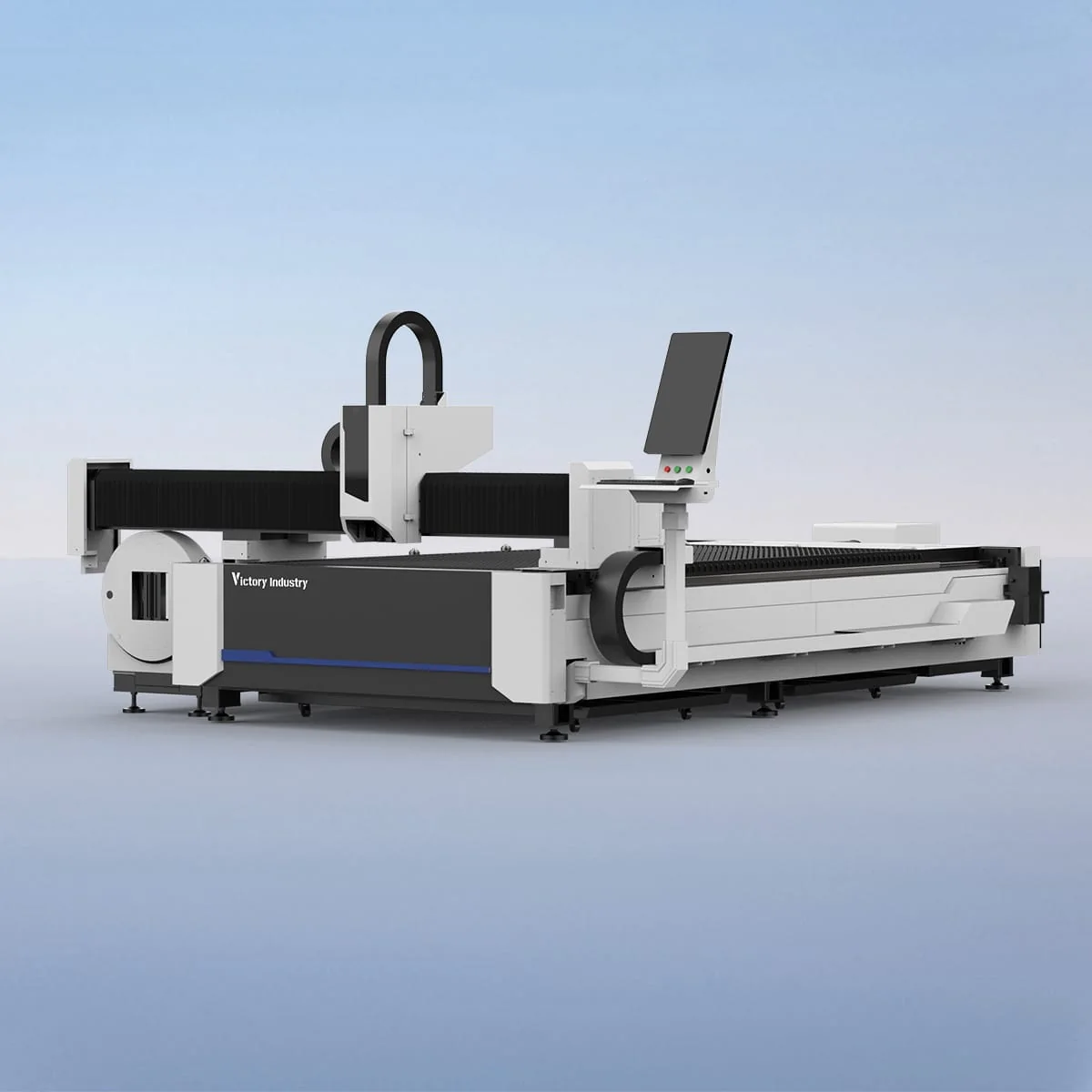
Tube And Sheet Laser Cutting Machine
VIF-T Laser Cutting Machine is listed for tube and sheet work, with six model areas and a 1500-3000W power range. Its configuration choices include two head brands and three control alternatives. Compare proposed equipment against the same sheet and tube requirements so that a component change can be understood separately from a change in the work.
A useful comparison record identifies the model, chosen power and named components beside the drawing references. Leave unresolved section or handling questions visible. The combined product category describes the range, but it does not supply every dimensional limit needed to assess the actual tubes included in your project.
Choose an individual model below to view its complete technical specification. The series overview shows selected parameters for comparison.
The six Cutting Area entries are 3000*1500mm, 4000*1500mm, 4000*2000mm, 6000*1500mm, 6000*2000mm and 6000*2500mm for VIF3015T through VIF6025T in table order. Use them to compare sheet formats. Keep the tube section and incoming length in separate fields rather than converting an area dimension into a tube-processing limit.
Maximum acceleration is 0.8G, maximum linkage speed is 70m/min and Z axis travel is 100mm. The linkage-speed label matters: it does not state a material cutting speed or completed-part output. Retain the original names when comparing these values with another machine or with a differently worded commercial offer.
Raytools and WSX are the head alternatives, while Raycus, MAX and IPG are the listed generators. Resolve these VIF-T configuration options together with a particular power rating within the published range. Several names in a table are alternatives to discuss, rather than simultaneous inclusions in one machine.
Prepare the sheet job list with stock dimensions, material grade, thickness, drawing revision and required quantity. The tube list should give section shape, outside dimensions, wall thickness, material, incoming length and finished features. Ask for a response to those actual requirements, keeping any still-unconfirmed tube arrangement separate from the sheet-area choice.
Imagine two proposed configurations being compared for the same project. Keep both job lists unchanged while recording which component selections differ. If the material or drawing also changes, mark that separately. Otherwise an apparent equipment comparison may actually be comparing responses to different workpiece requirements.
The listed controls are CypCut, Golden Orange and Weihong. Luoyuan, Fuji and Delta appear as servo motor and driver alternatives. Give the selected controls and drives their own lines in the proposal. A preference can remain an enquiry question until the offered combination is explicitly confirmed.
Taiwan Linear Rails is the guide entry, and Japan Shinbo or France Mortori are the reducer alternatives. Keep these selections with the model and power when recording quotation revisions. Request overall equipment dimensions, access information and the proposed tube-handling arrangement separately from the published Cutting Area field.
Positioning Accuracy of 0.05mm and Repositioning Accuracy of 0.03mm are separate specifications. Mark the finished-component requirements on the sheet and tube drawings instead of replacing them with a machine accuracy value. A complete comparison should identify the chosen equipment, the drawing revision it addresses and the application questions still requiring an answer.
CypCut, Golden Orange and Weihong appear in the specification. Ask for the proposed control selection to be named with the power and other components.
It is maximum linkage speed. It should not be used as a material cutting-speed claim or an estimate of finished-part production.
Provide separate sheet and tube drawing records with material details and stock dimensions. For tubes, include the section, wall thickness, incoming length and required features.
The area table does not establish a tube loading length or section limit. Request confirmation against the actual tube description rather than transferring the sheet-area value.
Use the same job references and record the selected model, power, head, source, controls and drives for each offer. Identify changed requirements separately from changed equipment choices.
Share your material, dimensions and process. Start a conversation about the right configuration.